
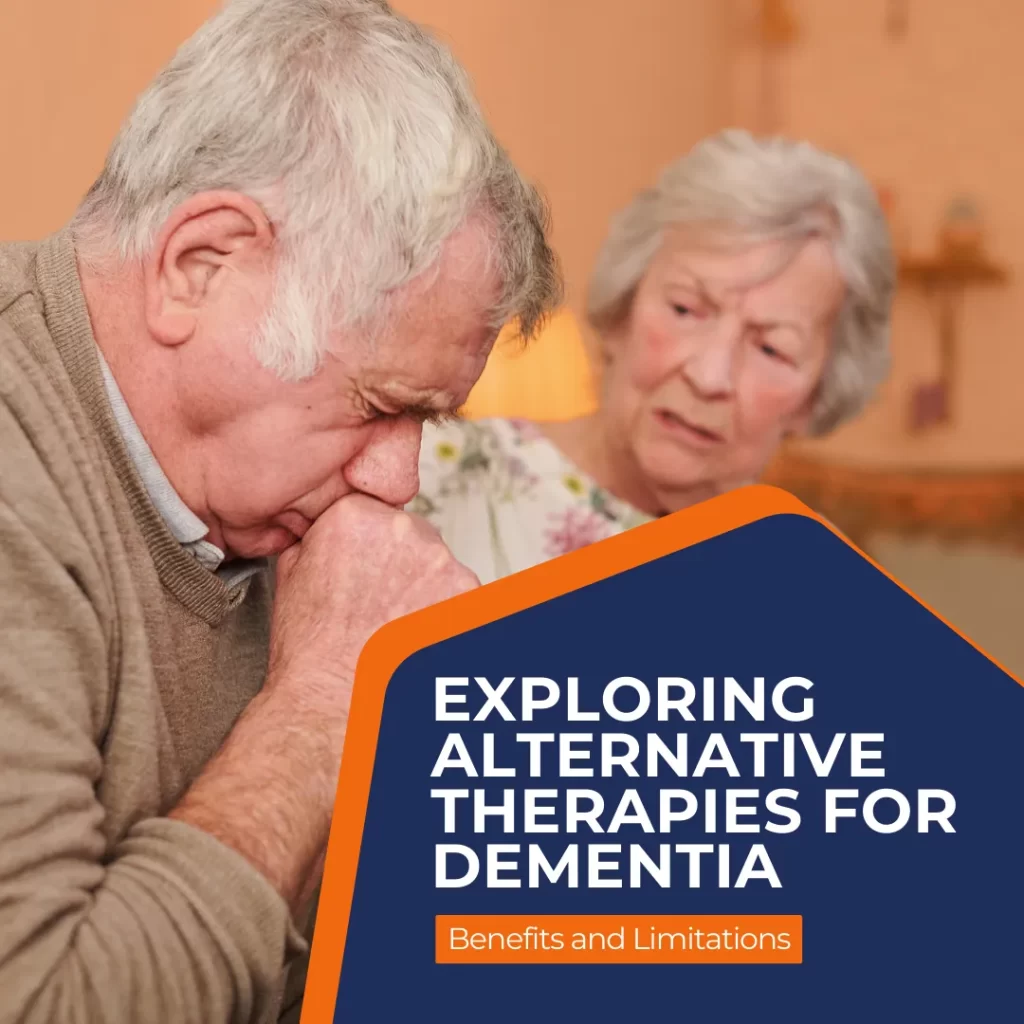
As traditional treatments for dementia evolve, many caregivers and healthcare providers are exploring alternative therapies to enhance patient care. At Consistent Solution Nursing, we recognize the potential of these therapies in improving quality of life, while also understanding their limitations. Here’s a comprehensive look at the benefits and limitations of alternative therapies for dementia.
Understanding Alternative Therapies
What Are Alternative Therapies?
Alternative therapies encompass a range of non-conventional treatments used alongside or in place of traditional medical approaches. These may include methods such as aromatherapy, music therapy, art therapy, and herbal supplements.
Evaluating the Benefits of Alternative Therapies
- Enhanced Cognitive Function: Certain alternative therapies, such as music and art therapy, have been shown to stimulate cognitive function and improve memory recall. Engaging in creative activities can enhance mental stimulation and emotional well-being.
- Improved Mood and Emotional Health: Therapies like aromatherapy and pet therapy can significantly uplift mood and reduce anxiety. By creating a calming environment and fostering positive emotions, these therapies contribute to overall emotional health.
- Increased Social Interaction: Alternative therapies often encourage social interaction and engagement. Group activities and therapies like dance or gardening can help dementia patients stay connected and reduce feelings of isolation.
- Supportive Care and Comfort: Many alternative therapies provide comfort and support in ways that traditional treatments might not. Techniques such as massage and relaxation exercises help manage stress and discomfort, contributing to a more relaxed state.
Understanding the Limitations of Alternative Therapies
- Lack of Standardization: One of the primary limitations is the lack of standardization and scientific evidence supporting some alternative therapies. This can make it challenging to assess their effectiveness and integrate them into a comprehensive care plan.
- Potential for Misuse: Without proper guidance, some alternative therapies might be misused or lead to adverse effects. It is essential to consult with healthcare professionals to ensure that therapies are used safely and appropriately.
- Limited Evidence for Long-Term Benefits: While many alternative therapies offer immediate benefits, long-term effectiveness is less established. Continued research is needed to determine the sustained impact of these therapies on dementia progression and management.
Integrating Alternative Therapies into Care
- Consult with Healthcare Providers: Before starting any alternative therapy, consult with healthcare providers to ensure it complements existing treatment plans and is appropriate for the patient’s condition.
- Monitor and Adjust: Regularly monitor the patient’s response to alternative therapies and make adjustments as needed. This helps in assessing the effectiveness and making informed decisions about continued use.
- Create a Balanced Approach: Combine alternative therapies with traditional medical treatments for a balanced approach. This integration ensures comprehensive care that addresses both physical and emotional needs.
At Consistent Solution Nursing, we understand the potential benefits and limitations of alternative therapies in dementia care. Our approach emphasizes a balanced and informed integration of these therapies to enhance patient well-being and quality of life.
For personalized advice and support in incorporating alternative therapies, contact us at (781) 621-5880. We are here to guide you in providing holistic care that meets the unique needs of your loved one.